1 in 8
women will be diagnosed with breast cancer in her lifetime




At the Women’s Health Unit at MRC, we provide specialized diagnostic care through advanced imaging technologies and expert-led services, helping women take charge of their health in all her aging stages of aging with confidence and peace of mind.
Services
Breast imaging procedures can be used to detect, diagnose, stage and treat abnormalities within the breast tissue that can indicate breast cancer, benign tumors, or other related conditions.

Services
Body composition analysis utilizes advanced DEXA technology to measure body fat percentage, lean muscle mass, and bone mineral density. These precise insights help evaluate metabolic health.

Services
Obstetric ultrasound and imaging procedures provide vital, real-time insights into fetal development, gestational growth, and maternal health. These scans assist physicians in monitoring key milestones.

Services
Specialized pelvic imaging accurately identifies and evaluates a wide range of gynaecological, urinary, and reproductive health conditions. Physicians can detect structural abnormalities.

women will be diagnosed with breast cancer in her lifetime
The age at which most women should begin annual screenings
Survival rate for stage 1 of breast cancer
Breast cancer is a disease in which malignant (cancer) cells form in the tissues of the breast.
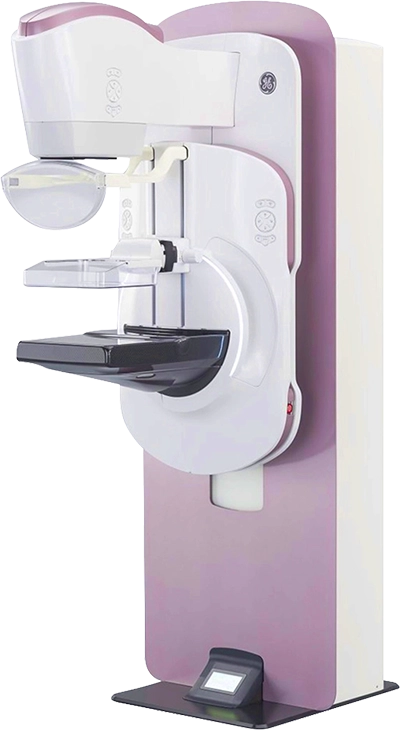
Experts are always looking to improve Breast Cancer detection, but as we speak, Mammography is the best tool we have and there’s NOTHING to replace it. Mammography has helped to lower the breast cancer death rate by nearly 30% or even more since 1990. First, women start the procedures by a mammogram. Then, if the results of the initial procedure indicate a potential problem, patients may need more than one imaging procedure.
Mammography is not perfect, it will sometimes find things that aren’t cancer and it does not spot every cancer, but it is still the best tool we have to detect breast cancer early.
Starting age 40, you have to get a mammogram at least once per year even if there is no family history of the disease. In fact, 3 out of 4 women who get breast cancer don’t have a family history or other factors that make them at higher risk for the disease. The images produced by these exams are extremely valuable in diagnosing breast cancer in its earliest stages and enabling more effective treatment.
Mammograms can catch cancer early, often before it can be felt and when it is most treatable. This allows you to avoid less extensive and expensive treatments.